
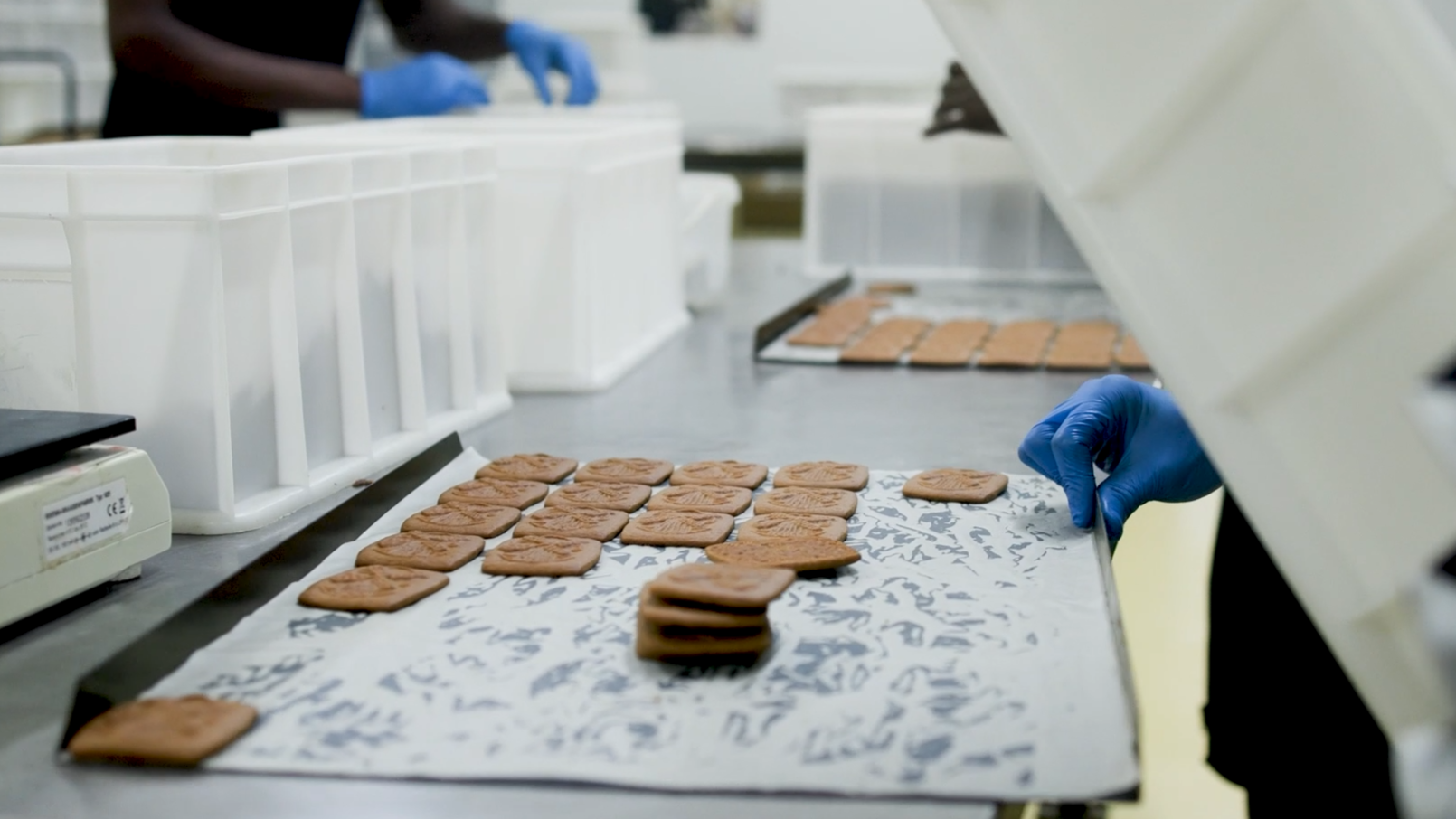
As a production site, Maison Dandoy's energy usage is intense. On one side, their already existing solar panels were producing lots of unused energy during peak production hours, with only 44% of self-consumption. On the other side, cold storage to keep chocolate at the right temperature was consuming lots of energy throughout the day, even when solar panels weren't producing.
Thanks to the WISE. Brain, we were able to understand how to increase self-consumption of solar energy without adding additional operational burden: in particular, we were able to automatically modulate the cold room's temperature setpoint to absorb solar surplus at the right moment, turning an existing energy load into a flexible asset. We’ve estimated that our collaboration will allow Maison Dandoy to increase their self-consumption by 6%, reduce their energy bill and reduce their greenhouse gas emissions by 3 T CO₂e per year, all with zero operational burden for them.
.png)
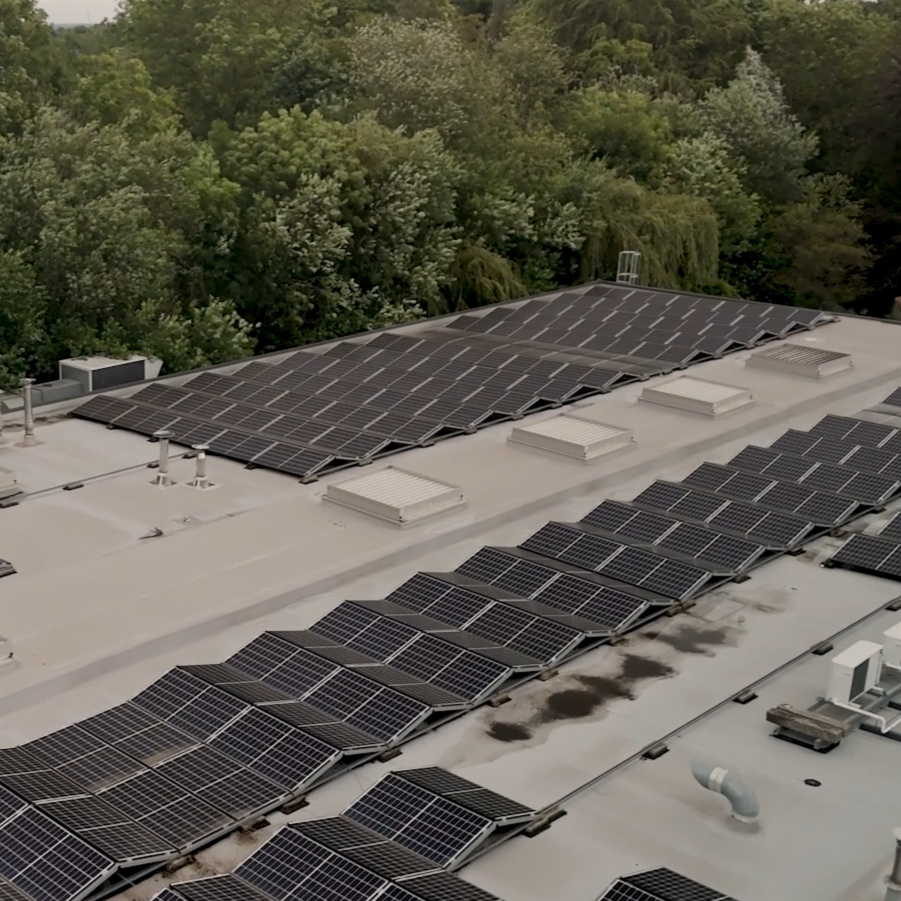
As a production site, Maison Dandoy's energy usage is intense. On one side, they already had installed 273 kWc of solar panels, but only consumed 44% of their self-produced energy.
On the other side, some structures of the production site, like cold storage to keep chocolate at the right temperature, were consuming lots of energy throughout the day, even when solar panels weren't producing.
Maison Dandoy wanted to capture more value from the solar energy it was already producing, without adding new equipment or asking its team to change how they worked.
To answer this, we designed an innovative solution: using the cold room as a flexibility asset to absorb solar energy surplus.
Energy flexibility projects usually rely on EV chargers, shifting charging times to match solar production, but they are just one option. Any load that can shift in time without disrupting operations can serve the same purpose, and Dandoy's cold room is a great example: it draws steady power and has enough thermal inertia to absorb short bursts of extra cooling without compromising food safety.
Powered by the WISE. Brain, the system automatically adjusts the cold room's temperature setpoint in real time based on solar production, while keeping the temperatures required for food safety.In particular, the system we installed detects when solar production exceeds instant consumption; when it does, the cold room "pre-cools" slightly, within food safety limits.
All this was achieved while keeping temperature control strictly within food safety tolerances and giving no additional operational burden to Maison Dandoy's team, as the whole system is automated.
additional self-consumption
GHG emissions avoided per year
of savings on energy consumption
Contact us
.jpeg)